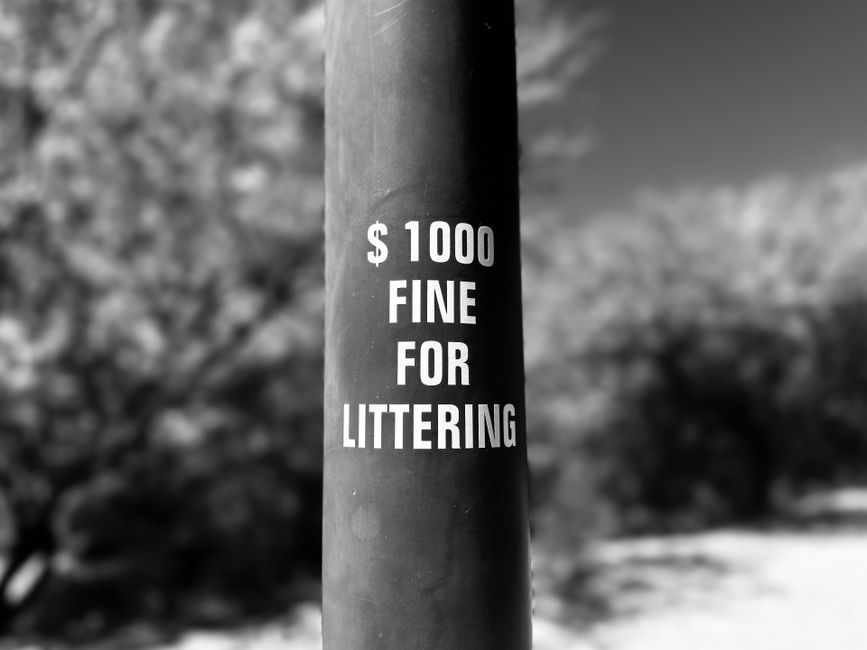
Fines and charges for illegal dumping in Shortlands (BR2)
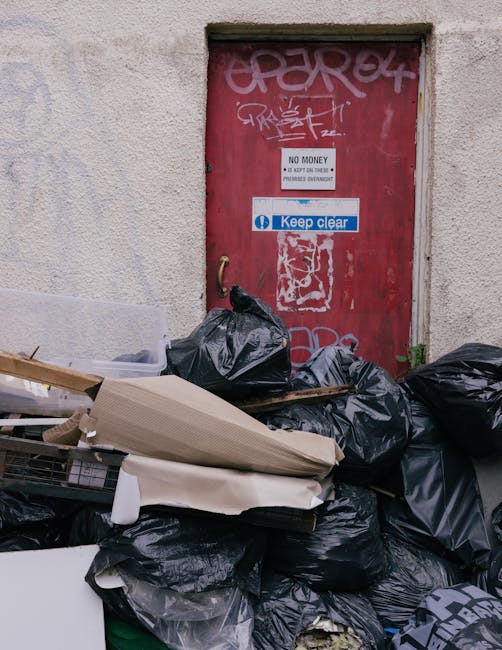
If you have searched for fines and charges for illegal dumping in Shortlands (BR2), you are probably trying to avoid a costly mistake, or clean up after one that has already happened. Fair enough. Fly-tipping and careless waste disposal can turn into a real headache very quickly: unexpected penalties, removal costs, possible enforcement action, and a lot of stress that nobody needs on a wet Tuesday morning.
This guide explains what illegal dumping means, why penalties matter in a local area like Shortlands, how charges are typically applied, and what practical steps can help you stay on the right side of the rules. It also covers the difference between a fixed penalty and a more serious case, what businesses and households should do differently, and where sensible waste planning can save time, money, and bother.
One thing to keep in mind straight away: exact fines can vary depending on who issued them, the circumstances, and whether the matter is dealt with as a civil penalty or escalated further. So the real value here is not a single number. It is understanding the system well enough to avoid paying for a mistake in the first place.
Why Fines and charges for illegal dumping in Shortlands (BR2) Matters
Illegal dumping is not just a nuisance with a bin bag on the pavement. In practice, it can become a chain reaction. A pile of waste can block access, attract more dumping, create vermin issues, and draw attention from enforcement teams. Once that happens, the original small mistake can become a much bigger bill.
In Shortlands, as in the rest of London, waste disposal is treated seriously because fly-tipping affects everyone nearby. The person who dumped the waste may think they have saved a bit of money by using the wrong route, but the outcome can be the opposite. The cost of clearing waste, investigating responsibility, and handling penalties can quickly outweigh any supposed saving.
There is also a trust angle here. If you are a homeowner, landlord, tenant, builder, or business owner, your waste handling reflects on you. People notice a mattress at the kerb, a broken wardrobe by a wall, or a builder's sack left behind a hedge. It is not subtle. And once a complaint is made, the process can move faster than expected.
For local residents, the reason this matters is simple: prevention is cheaper than cure. Understanding how fines and charges are assessed gives you the chance to plan disposal properly, use the right clearance method, and avoid the sort of error that becomes expensive later on. A small bit of organisation now can save a lot of awkwardness later.
From a practical point of view, the issue often overlaps with everyday clearance needs. For example, if you are clearing an house clearance, emptying a flat, or dealing with old furniture, the temptation is sometimes to leave one item behind or to use an informal disposal route. That is exactly where problems start.
How Fines and charges for illegal dumping in Shortlands (BR2) Works
At a basic level, illegal dumping means leaving waste somewhere you are not allowed to leave it, or passing waste to someone who does not have the right to deal with it properly. The tricky part is that the consequences are not always identical. One situation may lead to a warning or a fixed penalty, while another may lead to a larger charge for collection, investigation, or enforcement action.
Here is the plain-English version. If waste is found dumped and there is evidence linking it to a person or business, an enforcement body may decide that action is needed. That action might involve:
- a request to remove the waste promptly
- a fixed penalty notice or similar civil penalty
- additional charges if the local authority has to clear the waste
- further action where the matter looks deliberate or repeated
Not every messy situation becomes a major enforcement case. But you should never assume that a small amount of dumped waste is harmless. A few bin bags outside a property can still cause trouble if they are linked to an occupier, a contractor, or a business that failed to arrange disposal correctly.
Charges can be affected by the amount and type of waste, whether it is household rubbish, bulky furniture, construction debris, or mixed material, and whether the issue appears careless or intentional. To be fair, that is one reason so many people underestimate it. They think, "It is only a couple of items." The system does not always see it that way.
There is also the matter of proof. If waste carries your name, your address, your business paperwork, or anything that points to you, it may be hard to distance yourself from it. That is why responsible transfer and disposal documentation matters, even when the job seems minor.
If you are dealing with bulky items from a home or office, using a proper removal route is much safer. Services such as office clearance or business waste removal are designed to reduce that risk by making the disposal trail clearer and the collection process more controlled.
Key Benefits and Practical Advantages
Talking about fines is not exactly cheerful, but there are real advantages to understanding the rules properly. The first is obvious: avoiding penalties. The second is less obvious but just as important. Good waste handling saves time, removes uncertainty, and protects your reputation.
When people know how illegal dumping enforcement works, they make better choices. They do not leave a van load of waste in a lay-by hoping it will be someone else's problem. They do not ask a casual collector to take items "off the books". And they do not assume that household waste is somehow exempt from scrutiny. It is not.
For households, the main benefit is peace of mind. You can clear a loft, garage, or garden without worrying that a half-finished job will come back to bite you. For businesses, the advantage is even clearer: proper disposal supports compliance, reduces the risk of complaints, and helps avoid avoidable costs.
There is another practical upside. Once you set up a simple waste routine, it becomes much easier to manage future clearouts. For example, regular furniture replacement or office churn is easier to handle when you already know how to arrange disposal properly. If you are replacing old items, options such as furniture disposal or furniture clearance can be more sensible than leaving bulky waste to accumulate.
And yes, there is a financial benefit too. Avoiding a fine is the direct saving, but the indirect saving can be bigger. No enforcement letters. No repeat collections. No emergency weekend clear-up. No unpleasant knock-on costs. That all adds up.
Who This Is For and When It Makes Sense
This topic matters to more people than you might think. Illegal dumping penalties are not only for obvious fly-tippers; they are relevant to ordinary people who are trying to get rid of waste the wrong way, or who do not realise how strict waste handling can be.
You will find this especially useful if you are:
- a homeowner clearing a property after a move or renovation
- a landlord managing left-behind items in a flat or house
- a tenant with bulky waste, old furniture, or mixed rubbish to remove
- a tradesperson dealing with builders' waste, plasterboard, timber, or mixed rubble
- a small business owner replacing office furniture or clearing storage
- someone who has inherited a messy garage, loft, or shed and needs it sorted properly
It also makes sense if you are comparing lawful disposal against the risk of shortcuts. Some people start with good intentions. They mean to arrange collection later, then the pile grows. Or they assume a friend with a van can sort it out. That is where the grey area appears. If waste is not taken to the right place by the right person, the responsibility can still come back to you.
For home-based situations, home clearance, loft clearance, and garage clearance often provide a cleaner route than trying to move items piecemeal. It is less drama, frankly.
And if your situation is business-related, it is worth reading the fine print before you move anything. Office moves, shop refits, or recurring waste can create compliance issues very quickly if handled casually.
Step-by-Step Guidance
If you want to stay clear of illegal dumping penalties in Shortlands, the safest approach is simple and methodical. You do not need to overthink it, but you do need a plan.
- Identify the waste type. Separate household items, furniture, garden waste, builders' waste, and anything potentially hazardous. Mixed waste is harder to deal with and often causes avoidable mistakes.
- Work out the volume. A few bags, a sofa, or a full garage load each need a different solution. If you guess, you often end up paying twice.
- Choose a lawful disposal route. Use a proper collection or clearance option rather than leaving waste on the roadside, near bins, or on land you do not control.
- Keep records where relevant. If waste comes from a business or contractor job, keep any paperwork that shows who handled the waste and what was removed.
- Check who is responsible. If you hired someone else, ask how they dispose of waste and what they do with it. A cheap quote is not enough on its own.
- Remove waste promptly. Do not let it sit. The longer waste stays visible, the more likely it is to attract complaint, weather damage, or even more dumping.
- Use a suitable clearance service if needed. If the job is bigger than expected, choose a proper waste removal route. It is usually calmer, cleaner, and safer.
One practical observation: many problems begin with a single item. A mattress left because it is awkward. A broken wardrobe because it will not fit in the car. A pile of garden cuttings that seems harmless until it is soaked through and spreading across the path. Small starts, bigger consequences. Annoying, but true.
If you are unsure which clearance method fits your situation, compare your options before making a decision. For mixed household jobs, a flat clearance or house clearance may be more efficient than trying to split everything up yourself.
Expert Tips for Better Results
When people ask how to avoid fines and charges for illegal dumping, the answer is usually not dramatic. It is about habits. A few small ones make a big difference.
- Do not leave waste outside "just for a day". In local streets, even short delays can create complaints. One bag becomes three, then it rains, and now everything is soggy and awkward.
- Separate recyclable items early. Recyclable cardboard, metal, and clean wood are easier to process when they are not buried in mixed rubbish.
- Avoid the mystery man with a van. If someone offers to take waste cheaply and cannot explain where it is going, that is a red flag. A cheap removal can become a very expensive mistake.
- Use the right service for the right load. Builders' waste is not the same as garden waste. Office furniture is not the same as household clutter. Matching the job properly avoids friction.
- Check access and lifting issues before collection day. If a sofa cannot fit through the stairwell, the removal becomes slower, messier, and more stressful. A bit of planning saves a lot of huffing and puffing.
If your waste is linked to property upkeep, then it is worth planning around the work itself. A clearance booked after renovation is usually better than trying to squeeze it in once everything has already piled up. That simple timing decision can prevent accidental non-compliance.
For businesses, the same logic applies even more strongly. If you are replacing desks, filing units, or shop fittings, a planned office clearance is far easier to control than ad hoc dumping or "temporary storage" that drifts into a problem.
Common Mistakes to Avoid
Most illegal dumping issues do not start with bad intentions. They start with shortcuts, assumptions, or plain old inconvenience. Let's face it, waste removal is never top of anyone's favourite jobs list.
Here are the mistakes we see most often:
- Assuming someone else will deal with it. If you arranged the items to be removed, the responsibility does not magically disappear because another person moved them.
- Using the wrong disposal route. A roadside, alley, green space, or communal area is not a free drop-off point.
- Mixing recyclable and non-recyclable waste unnecessarily. This can make disposal more difficult and sometimes more expensive.
- Not checking contractor behaviour. If a builder or cleaner is handling waste for you, ask the basic questions. Where does it go? Who takes it? Is it documented?
- Leaving items behind after a clearance. A half-finished job is often enough to cause an issue, especially if bulky objects are left in view.
There is also a quieter mistake: thinking that because waste is on private land, it is automatically fine. That is not always how enforcement or nuisance issues play out. If the waste becomes visible, accessible, or linked to your activity, you can still face trouble.
When furniture or general waste is part of a bigger move, using planned services such as waste removal can be much less risky than improvising. Quietly sensible, and that is usually the best kind of sensible.
Tools, Resources and Recommendations
You do not need fancy systems to manage waste well. In most cases, a few straightforward tools are enough.
- Basic sorting bags or crates: helpful for separating items before collection day
- Simple inventory notes: useful when clearing a property or business premises
- Photo records: handy for documenting what was removed, especially for landlords or businesses
- Access measurements: stairs, doors, lifts, and parking space all matter more than people expect
- Collection schedule: booking in advance reduces the temptation to dump waste temporarily
For many readers, the most helpful recommendation is to choose a removal method that fits the volume and type of waste, rather than forcing the waste to fit your own schedule. That sounds obvious, but in practice people often reverse the logic.
If you want a clearer starting point for property clearances, the site's pricing and quotes information can help you think through the shape of the job before you commit. And if you care about how waste is handled after collection, the page on recycling and sustainability is worth a look too.
For customers who like a company background before booking, about us gives a useful sense of the people behind the service. Trust matters here. A lot.
Law, Compliance, Standards, or Best Practice
Because illegal dumping touches waste handling, property responsibility, and sometimes business activity, it should be approached carefully. The exact legal consequences can depend on the facts of the case, local enforcement decisions, and whether the matter is handled as a civil issue or escalated further.
The safest best practice is straightforward:
- do not leave waste in unauthorised places
- do not pass waste to someone you cannot trust to dispose of it lawfully
- keep evidence of proper disposal where relevant
- separate duties between household, landlord, contractor, and business responsibilities
- take complaints about dumped waste seriously and act quickly
For businesses, compliance should be treated as part of day-to-day operations, not as an afterthought. If waste is created as part of trading activity, then the business should be able to show a sensible disposal process. That may include written notes, invoices, or collection confirmations. Nothing flashy, just clear and defensible.
Best practice also includes safety. Heavy, sharp, or awkward waste can injure someone during rushed handling. The site's health and safety policy and insurance and safety information are relevant if you are comparing how seriously a provider treats the job.
If you need to understand the service terms before booking, the terms and conditions page is also worth checking. Small print is not exciting, I know, but it can save everyone a headache.
Options, Methods, or Comparison Table
Different waste situations call for different approaches. Choosing the wrong one can lead to delays, repeat handling, or the kind of "we'll sort it later" moment that ends badly.
| Option | Best for | Main advantage | Main risk if done badly |
|---|---|---|---|
| Self-managed legal disposal | Small, manageable loads | Control over timing and sorting | Improper disposal if rules are misunderstood |
| Planned house or flat clearance | Multiple rooms, bulky items, moves | Less stress and a clearer process | Leaving items behind if not fully planned |
| Business or office removal | Commercial waste and furniture | Better documentation and consistency | Compliance issues if items are dumped informally |
| Builders' waste clearance | Renovation, refurb, construction debris | Suitable for heavier, mixed materials | Higher risk if materials are left on-site too long |
If your issue involves a property that is almost empty but still has awkward leftovers, it may be more efficient to use a targeted service like flat clearance or builders' waste clearance rather than treating everything as general rubbish. The right fit makes the whole thing smoother.
Case Study or Real-World Example
Imagine a small property clearout in Shortlands after a tenancy ends. There is a wardrobe too big for the lift, a few bags of mixed rubbish, some broken shelving, and a couple of smaller items that look harmless enough. The easy mistake would be to leave the bulky pieces by the kerb and come back for them later.
That is exactly where things can go sideways. A neighbour reports it. The items get linked to the property. The landlord or outgoing occupier then has to deal with an avoidable mess, and the clean-up becomes more expensive than the original clearance would have been.
Now compare that with a planned approach. The items are separated, the bulky pieces are arranged for lawful removal, and the clearance is handled in one go. There is no street clutter, no awkward waiting period, and no chance for weather, passers-by, or complaints to complicate it. Simple, really.
We often see the same pattern with garages and lofts. A space is ignored for months, then suddenly everything has to go at once. That is when people are tempted to do the wrong thing. A better plan is to clear in stages, using sensible disposal routes so the waste never becomes "temporary" in the risky sense. You know the type of temporary that turns into three weeks.
This is also where direct communication helps. If you are unsure what belongs in a job, ask before the collection. A good process is not just about taking things away; it is about avoiding the wrong things staying behind.
Practical Checklist
Use this checklist before you move or leave any waste. It is quick, and honestly, it can save you a proper mess.
- Have I identified exactly what the waste is?
- Have I checked whether any item is bulky, sharp, or hazardous?
- Do I know who is responsible for removal?
- Is the waste being stored only temporarily, and is that temporary period short and controlled?
- Do I have proof or notes of lawful disposal where relevant?
- Have I separated furniture, green waste, rubble, and mixed rubbish?
- Have I chosen the right clearance method for the size of the job?
- Have I avoided leaving anything on public land, shared land, or outside bins?
- Have I checked access, parking, and lifting points in advance?
- Have I used a provider or process that feels transparent and professional?
And if you are staring at a pile of stuff thinking, "I'll deal with that later," well, maybe don't. Later has a funny way of becoming expensive.
Get a free quote today and see how much you can save.
Conclusion
Fines and charges for illegal dumping in Shortlands (BR2) are best understood as a prevention issue, not just a punishment issue. If you know how waste responsibility works, you can avoid the stress, cost, and embarrassment that come with leaving items in the wrong place or using the wrong disposal route.
The safest approach is always the same: identify the waste correctly, choose a lawful method, keep a clear record where needed, and act quickly before a small problem becomes a bigger one. For homes, landlords, trades, and businesses alike, that is the difference between a tidy resolution and a nasty surprise.
If you take one thing away from this guide, let it be this: waste is easiest to handle when it is still under control. Once it is dumped, ignored, or left to drift, the cost climbs fast. Better to sort it properly now and move on with your day. That is usually the calmer path, and the better one too.
Frequently Asked Questions
What counts as illegal dumping in Shortlands (BR2)?
Illegal dumping is leaving waste somewhere you are not allowed to leave it, or handing waste to someone who does not dispose of it properly. It can include bags, furniture, builders' waste, and mixed rubbish.
Can I be fined if someone else dumped waste near my property?
Possibly, if there is evidence linking the waste to you, your property, or your activity. That is why records and proper disposal routes matter, especially for business or landlord situations.
Are fines always the same amount?
No. The amount can vary depending on the circumstances, the type of enforcement used, and whether the issue is minor or more serious. Exact figures are not fixed across every case.
What is the difference between a fine and a removal charge?
A fine is a penalty for the offence or breach. A removal charge is the cost of collecting and disposing of the dumped waste. In some cases, both can apply.
Do businesses face stricter expectations than households?
Usually yes, because business waste should be managed with clearer responsibility and better record-keeping. A business is expected to be more deliberate about disposal than a one-off household clearout.
What should I do if I find dumped waste in my area?
Do not move it if it could be unsafe or if you are unsure whose waste it is. Report it through the proper local route and avoid touching anything that could contain sharp, broken, or contaminated items.
Can a landlord be held responsible for dumped waste?
Sometimes, depending on the facts. If waste is connected to a managed property or left after a tenancy, a landlord may need to act quickly and show sensible steps were taken.
How can I avoid problems after a house clearance?
Book a proper clearance, separate items in advance, and make sure nothing is left behind on pavements, shared areas, or private land where it could cause a complaint.
Is it safe to use a cheap, informal waste collector?
Not always. If the collector cannot explain where the waste goes or how it is handled, the risk is on you. Cheap can become expensive very quickly.
What if I only have one or two bulky items?
Even a small number of items can still create an issue if they are dumped or left incorrectly. It is usually better to arrange a proper collection or disposal route from the start.
Does a builders' job need special waste handling?
Yes, because construction and renovation waste often includes heavier, sharper, or mixed materials. That is why builders' waste clearance is often the safer option.
Where can I get help with proper disposal planning?
If you are arranging a larger clearance or want a better idea of the process, start with service information such as waste removal and the company's contact us page for next steps. A clear conversation now can save a lot of trouble later.