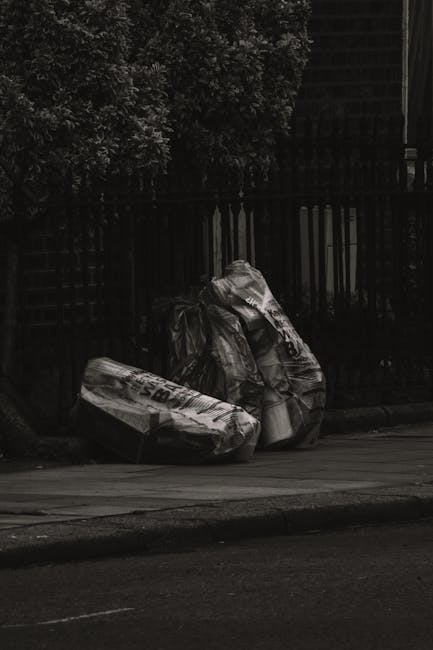
Shortlands BR2: Rubbish collection on Shortlands Road

If you live, work, or manage a property near Shortlands Road, rubbish collection can become one of those jobs that looks simple until the bags start piling up. A missed bin day, bulky items in a hallway, leftover renovation debris, or a garden tidy-up after a wet weekend can quickly turn into a nuisance. The good news is that Shortlands BR2: Rubbish collection on Shortlands Road can be handled in a way that is organised, safe, and far less stressful than trying to piece it all together yourself.
This guide explains how local rubbish collection typically works, what makes a collection run smoothly, and how to choose the right approach for domestic, commercial, and one-off clearance needs. You will also find practical guidance on avoiding common mistakes, understanding compliance basics, and deciding when a broader service such as waste removal or a specialist clearance is the better option.
Truth be told, the best rubbish collection is usually the one you barely have to think about. It arrives on time, removes the right material, leaves the space tidy, and gives you confidence that waste has been handled properly.
Why Shortlands BR2: Rubbish collection on Shortlands Road Matters
Waste is not just a visual issue. On a busy residential road, a cluttered pavement, overloaded bins, or abandoned bulky items can affect access, neighbour relations, safety, and how quickly a property feels under control again. That matters whether you are a homeowner clearing out a spare room, a landlord between tenancies, or a local business trying to keep back-of-house waste from getting out of hand.
Shortlands Road has the same practical pressures found on many local streets: limited parking, narrow access points in some places, weather that can turn soft waste into a messy job, and the need to keep collections efficient. A good collection plan reduces friction. It also helps you avoid the common trap of leaving waste outside "just for a day or two," which can become an eyesore surprisingly quickly.
There is also a wider environmental angle. Choosing the right collection route can support better sorting, more reuse, and stronger recycling outcomes. For readers who want a broader overview of responsible disposal, the site's recycling and sustainability guidance is a useful companion.
Expert summary: The most efficient rubbish collection is not only about removing waste. It is about planning access, separating materials sensibly, and making sure the collection fits the property, the volume, and the urgency of the job.
How Shortlands BR2: Rubbish collection on Shortlands Road Works
At a practical level, rubbish collection on Shortlands Road tends to follow one of three patterns: routine bin collection, scheduled collection for specific waste streams, or ad hoc removal for bulky or mixed items. Each serves a different need, and choosing the right one saves time and avoidable hassle.
1. Routine household or business waste
This is the regular collection pattern used for everyday waste. It usually suits general refuse, recyclables, and standard bags of rubbish. The key is making sure items are sorted correctly, placed out at the right time, and presented in a way that collectors can handle safely.
2. One-off collection for excess or bulky rubbish
Sometimes the bins simply are not enough. A loft clear-out, office refit, old furniture, broken shelving, or post-renovation leftovers can all create waste that does not fit into normal collection arrangements. In those cases, a dedicated clearance approach is often the cleaner solution. Relevant service pages such as house clearance, home clearance, and furniture disposal may be more appropriate than trying to force everything into ordinary bins.
3. Specialist collections for specific materials
Some waste needs more care: garden cuttings, builders' waste, office furniture, or awkward items from garages and lofts. These materials may need separation, loading support, or a different handling method. For example, a DIY project can quickly generate rubble, plasterboard, timber, and packaging all at once, which is why builders waste clearance is often the sensible route.
In most cases, the process starts with an assessment of what needs removing, followed by a quote, then a scheduled collection. For people who want a clear cost overview before booking, pricing and quotes is the right place to begin.
Key Benefits and Practical Advantages
The obvious benefit is simple: you get your space back. But the real value is broader than that.
- Cleaner access: Clear pathways reduce trip hazards and make moving around easier.
- Less stress: One coordinated collection is usually far less draining than piecemeal disposal.
- Better presentation: Helpful if you are renting, selling, or welcoming clients to a premises.
- Safer handling: Bulky or sharp items can be removed without improvising.
- Improved sorting: Reusable and recyclable materials are easier to separate when the job is planned properly.
- Time saved: You avoid repeated trips to a disposal site, lifting heavy items yourself, or guessing what can go where.
There is also a subtle but important benefit: a decent collection service tends to restore momentum. Once the clutter goes, everything else feels easier. The room can be measured, cleaned, decorated, let, or used properly again.
For households dealing with old chairs, wardrobes, sofas, or office-style furniture, the dedicated options at furniture clearance and office clearance can be useful if your waste is more specific than a standard mixed load.
Who This Is For and When It Makes Sense
This topic is relevant to far more people than a single householder with a few black bags. In practice, rubbish collection on Shortlands Road makes sense for:
- Homeowners doing spring cleaning, renovations, or downsizing
- Tenants preparing for end-of-tenancy checks
- Landlords and letting agents needing fast turnaround between occupiers
- Local businesses managing packaging, fixtures, old stock, or office clutter
- Tradespeople with waste left after small refurbishments or fit-outs
- Residents with limited storage who cannot keep accumulating waste indoors
It also makes sense when you are handling awkward combinations of waste. For example, a garage tidy-up may produce tools, broken shelving, boxes, and random household items all at once. That is where garage clearance becomes much more practical than trying to sort everything manually over several weekends.
If you are dealing with a garden after pruning, landscaping, or seasonal maintenance, garden clearance may be the most efficient route. And if the job involves attic storage, loft clearance can save a lot of awkward lifting and repeated trips up and down stairs.
Step-by-Step Guidance
A well-run rubbish collection is mostly about preparation. The actual removal is often the easy part.
- Identify the waste type. Separate general rubbish from furniture, green waste, electrical items, and building debris where possible.
- Estimate the volume. Is it a few bags, a van load, or several bulky items? A rough estimate helps with timing and pricing.
- Check access. Note parking restrictions, steps, narrow hallways, or upper-floor collection needs.
- Remove anything reusable first. Items that can be donated, repurposed, or kept should be moved out of the waste stream.
- Ask about handling. If the collection involves heavy lifting, mixed materials, or fragile surfaces, make that clear in advance.
- Confirm the plan. Make sure you understand what is included, when the collection will happen, and how the waste will be processed.
- Prepare the area. Clear a path to the waste, protect floors if necessary, and keep pets or children away during collection.
If your rubbish includes furniture, appliances, or mixed household items, it may help to use a service that does more than simple loading. A broader flat clearance or house clearance can be a better fit when multiple rooms are involved.
Small tip, but a useful one: label anything that is definitely staying. In busy homes, "to keep" and "to go" can become surprisingly blurry once the sorting starts.
Expert Tips for Better Results
Experience shows that the best collections are usually the ones planned with a bit of honest detail. You do not need to over-engineer the job, but a few practical habits make a real difference.
Be specific about the mix of waste
Mixed loads can change how waste is handled. A load containing timber, plaster, soil, metal, and soft furnishings may need different sorting or loading methods than a few bags of general rubbish. The more accurate the description, the smoother the collection.
Think about access before you book
Access issues are one of the biggest causes of delay. If the road is tight, parking is uncertain, or there are multiple flights of stairs, say so early. A good provider can plan around that, but only if they know.
Keep recyclables separate where practical
Separating cardboard, metal, clean wood, and green waste can improve the efficiency of the collection. It also supports better disposal outcomes. For many customers, this is the easiest way to make the job feel more organised without spending hours sorting every last item.
Use the right service for the right job
A single sofa is not the same as a full office strip-out. A bag of hedge cuttings is not the same as a builders' skip load. Matching the service to the job prevents overpaying and reduces the chance of a messy handover. If you are comparing options, business waste removal is worth considering for recurring commercial needs, while one-off domestic jobs may be better served by a household or furniture-specific clearance.
Ask about sorting and disposal standards
Good operators should be able to explain how they handle items, what happens to recyclable material, and how they approach non-reusable waste. You do not need a lecture, but you do deserve a straight answer.
Common Mistakes to Avoid
Most rubbish collection problems are avoidable. The same mistakes come up again and again, and they tend to cost time, money, or goodwill with neighbours.
- Leaving waste outside too early: This can create complaints, attract weather damage, or cause obstructions.
- Underestimating the volume: A few spare bags can become a much bigger job once everything is gathered.
- Mixing incompatible materials: Some items require different handling or may not be suitable for a standard collection.
- Forgetting access details: If a van cannot stop safely or items cannot be carried out easily, the job becomes harder than expected.
- Ignoring reusable items: Not everything old is waste. Some items are better donated, sold, or passed on.
- Choosing on price alone: The cheapest quote is not always the best value if the collection is incomplete or poorly managed.
A common local example: someone clears out a shed, piles everything into one area, and only then realises there are paint tins, soil, broken tools, and a heavy cabinet mixed together. That is manageable, but only if the service knows what it is dealing with before arrival.
If the job has a more structural or renovation-related aspect, it is often better to move early toward builders waste clearance rather than trying to make a standard rubbish collection do everything.
Tools, Resources and Recommendations
You do not need specialist equipment for every collection, but a few simple tools help keep the process orderly.
- Heavy-duty bin bags: Useful for general waste, soft items, and smaller mixed loads.
- Gloves and sturdy footwear: Basic protection matters more than people think.
- Labels or tape: Helpful for marking keep, donate, recycle, and remove piles.
- Measuring tape: Useful when checking whether large furniture will fit through doors or down stairs.
- Phone photos: A quick way to show the volume and type of waste when asking for a quote.
For planning and reassurance, three pages are especially useful. First, the about us page helps you understand who is behind the service. Second, health and safety policy gives you a better picture of how jobs are approached responsibly. Third, insurance and safety is worth reviewing whenever a job involves carrying items through shared areas, stairwells, or tight access points.
If you want to ask a question before booking, use the contact us page rather than guessing. A short conversation often clears up more than ten minutes of online searching.
Law, Compliance, Standards, or Best Practice
Waste collection in the UK should be handled responsibly, and anyone arranging collection has a duty to be sensible about what is being removed and who is removing it. The exact legal details depend on the waste type and the service being used, so it is best to avoid blanket assumptions.
As a practical rule, keep these points in mind:
- Use a reputable collector: Waste should be handled by people who know how to manage it properly.
- Know what is being removed: Hazardous or specialist items may need separate arrangements.
- Keep records where relevant: Businesses in particular should retain useful documentation relating to waste transfer and disposal.
- Check safety practices: Loading, lifting, and transport should be done in a controlled way.
- Review terms before agreeing: This is especially important for access conditions, excluded items, and payment expectations.
For peace of mind, it is worth reading the provider's terms and conditions alongside its safety information. If you are a business customer, this matters even more because waste handling is not just a convenience issue; it can also affect operations, duty of care, and workplace tidiness.
One practical note: if you are ever unsure whether an item is suitable for a standard collection, ask first. That small pause can prevent a larger problem later.
Options, Methods, or Comparison Table
Different collection methods suit different scenarios. The right choice depends on waste type, volume, access, and how quickly you need the space cleared.
| Method | Best for | Strengths | Limitations |
|---|---|---|---|
| Routine bin collection | Regular household or commercial refuse | Simple and predictable | Not suitable for bulky or excess items |
| One-off rubbish collection | Ad hoc bags, mixed waste, small clear-outs | Quick and flexible | May not suit complex or very large loads |
| Furniture-focused clearance | Sofas, wardrobes, desks, tables | Ideal for bulky household items | Not designed for mixed construction waste |
| Full home or house clearance | Whole-property clear-outs, probate, moves | Covers large and varied loads | Usually more involved than a simple collection |
| Builders waste clearance | Refurbishment debris, timber, rubble, packaging | Suited to trade and DIY jobs | Needs clear waste descriptions |
There is no single "best" option. A one-bedroom flat with a few bags and an old chair is a very different job from a property being emptied after a renovation. The smarter approach is to match the service to the actual waste, not the other way around.
Case Study or Real-World Example
Consider a typical Shortlands Road scenario. A household has just finished a long-overdue clear-out: old boxes from the loft, a broken bedside unit, several bags of general rubbish, and a collapsed garden strimmer that no longer works. The family originally thought it would all fit into a standard bin cycle. It did not.
Once the items were grouped properly, the job became much more straightforward. The furniture went into a furniture clearance plan, the garden offcuts were separated for garden clearance, and the remaining household clutter was handled as a broader home clearance. The result was not just an empty hallway. The space was usable again, the waste was dealt with in a cleaner way, and the family avoided several frustrating trips to try to split the job on their own.
That is the pattern you see most often in practice. The initial waste looks like one job, but after sorting it turns into two or three smaller, more manageable collections. Once you accept that upfront, everything gets easier.
Practical Checklist
Use this checklist before arranging rubbish collection on Shortlands Road:
- Identify all waste items and group them by type
- Separate anything reusable, recyclable, or to be kept
- Check whether any items are bulky, heavy, or awkward to carry
- Note stairs, narrow hallways, parking constraints, or shared access
- Take a few photos if you need a quote
- Confirm what is included and what is excluded
- Ask about timing and whether the collection is one-off or scheduled
- Review safety information if the job involves heavy lifting
- Make sure pets, children, and residents are clear of the route
- Keep any relevant documents or confirmations for your records
Quick takeaway: If you can describe the waste clearly, access it safely, and choose the right service type, the whole collection becomes faster, cleaner, and much less stressful.
Conclusion
Shortlands BR2 rubbish collection on Shortlands Road is ultimately about making a practical problem simple. Whether you are clearing a single bulky item, a room full of clutter, or the remains of a larger project, the key is to match the collection method to the waste in front of you. That means thinking about access, separating waste sensibly, and using a provider that can handle the job properly rather than just quickly.
For many people, the best next step is not to overthink it. Get the waste identified, check the route, compare the right service options, and ask for a quote that reflects the real job. That approach saves time and usually leads to a better outcome. If you are ready to move forward, explore the relevant service pages, review the safety and pricing details, and then take the simplest route to getting the space back.
Get a free quote today and see how much you can save.
If you want to discuss your collection in more detail, the easiest next step is to use the contact page for a straightforward enquiry. A quick message is often enough to clarify what needs removing, how access works, and which service fits best.
Frequently Asked Questions
What counts as rubbish collection on Shortlands Road?
It usually refers to the removal of general waste, bulky items, unwanted household clutter, commercial rubbish, or mixed materials from properties along or near Shortlands Road. The exact service depends on the type and amount of waste.
Can I book a collection for just one bulky item?
Yes. A single item such as a sofa, wardrobe, desk, or broken appliance can often be collected on its own. In those cases, a furniture-focused service may be more suitable than a general clearance.
What if my rubbish includes garden waste and furniture together?
That is common. Mixed loads can often be handled, but it helps to separate items where practical. You may need more than one service type, such as garden clearance and furniture disposal, depending on the volume and material.
How do I know which service I need?
Start with the waste itself. A few bags of clutter may need simple rubbish removal, while a full property clear-out could call for house clearance or home clearance. If you are unsure, ask for guidance with photos.
Is it better to book a collection or try to dispose of everything myself?
That depends on volume, access, and time. If the waste is bulky, heavy, or scattered across several rooms, a professional collection is usually the more efficient choice. It can also reduce lifting risk and save repeated trips.
Do I need to sort recyclable items first?
It is often helpful, yes. Separating cardboard, metal, clean wood, and green waste can make the collection more efficient and support better recycling outcomes. If you cannot separate everything perfectly, say so early.
What should I do before the collection team arrives?
Clear access routes, group items together, protect floors if needed, and make sure the team can reach the waste safely. If the collection involves stairs or a tight hallway, mention that beforehand.
How can I compare prices fairly?
Look beyond the headline figure. Check what is included, whether labour is covered, how access affects the quote, and what happens if the load is larger than expected. The pricing and quotes page is a useful starting point.
Are business collections different from domestic ones?
Often, yes. Businesses may need repeat collections, document handling, more structured disposal, or quicker turnaround. For ongoing needs, business waste removal or office clearance may be more suitable.
What happens if access is awkward or parking is limited?
That is common on local roads and can usually be managed with advance planning. The important thing is to be honest about it upfront so the collection can be scheduled properly and the team can arrive prepared.
Is it worth checking safety and insurance details?
Absolutely. Any job involving lifting, carrying, shared access, or heavy items benefits from clear safety information. Reviewing the provider's health and safety policy and insurance and safety information is a sensible precaution.
What is the fastest next step if I need rubbish collected soon?
Gather a quick list or photo set of the waste, decide whether it is domestic, commercial, or specialist, and make an enquiry through the contact us page. That is usually the quickest way to get a practical answer and a realistic quote.